From the fieldJune 2026
One factory. £1m a year, back on the P&L.
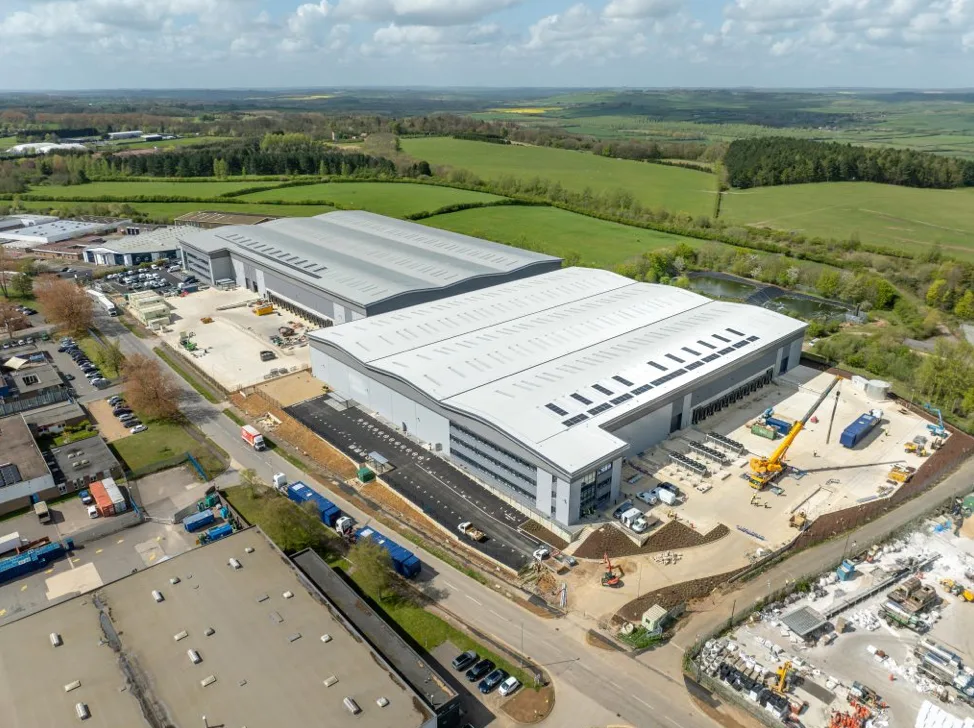
When a plastics manufacturer moved into its new factory, it discovered the hard way that a building is not a business until it has power. The local network couldn't supply the load the production lines needed, and a reinforced connection sat years away on the operator's timetable.
The fix was to make the electricity on site. Four 500kW containerised units, 2MW in total, were designed, built and delivered within sixteen weeks of the order, along with a 400-metre extension of the site's gas main. The array now carries the entire manufacturing load.
The result: over £1m a year saved against grid supply, and a factory that answers to its own switchgear. The full story is in the case study.
Read the full note
Company newsMay 2026
Appointed for a nationwide CHP roll-out.
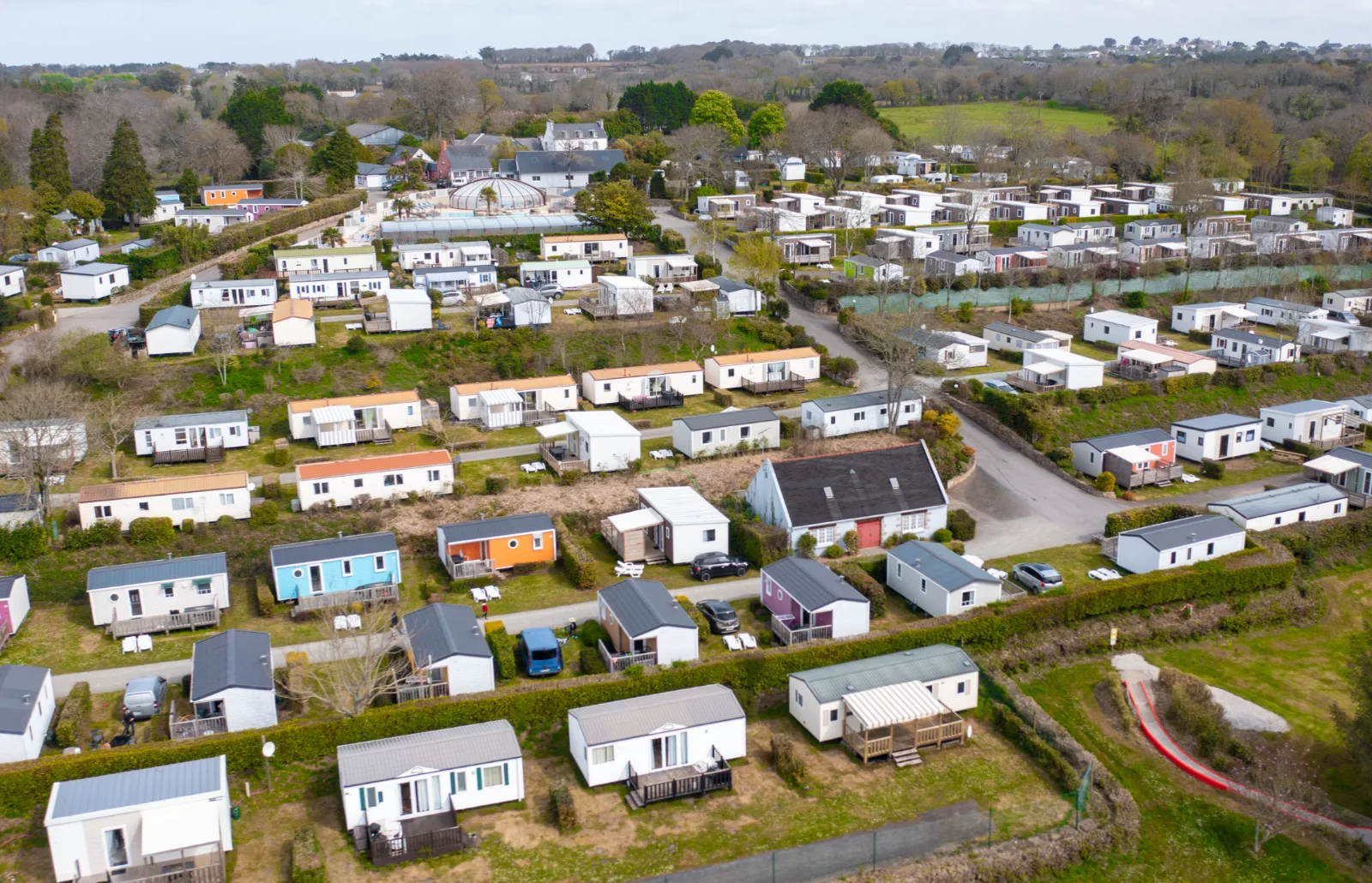
We have been selected as the delivery partner for an extensive combined heat and power programme spanning dozens of commercial locations across the UK. Under the agreement we will design, install and maintain containerised CHP systems site by site, standardised where possible and engineered around each building's load where it isn't.
Multi-site programmes are where factory manufacturing earns its keep: repeatable units, tested at full load before dispatch, arriving on a truck with the commissioning plan already written. The alternative, bespoke plant rooms built one at a time, is measured in years.
The programme's first sites energise this year. Each will generate its own power at a fraction of the grid price, with recovered heat carrying the building's heating load.
Read the full note
From the factoryApril 2026
Why we build power stations in a factory, not a field.
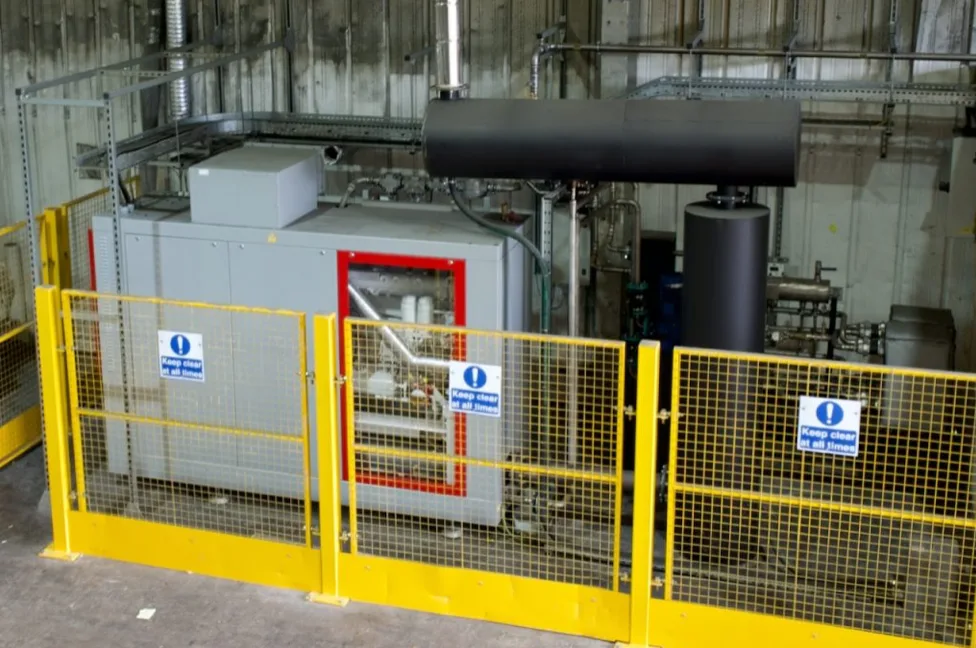
The unit on our floor this month is a 250kW machine built around a 300-horsepower V12, destined for a paper manufacturer in the North East. Its electricity will run the plant's machinery; its 400kW of recovered thermal energy will handle heating, hot water and cooling. Payback: under two years.
It could have been assembled on the client's site. Almost everyone in this industry still works that way. But a power station built indoors, on jigs, by the same hands, with full-load testing before dispatch, is faster to deploy, cheaper to install and dramatically easier to quality-control than one improvised in a yard.
Factory assembly is how a six-month deployment stays a six-month deployment. It's the whole premise of how we work.
Read the full note
Grid policyMarch 2026
The queue is the product: what 700GW of grid applications actually means.
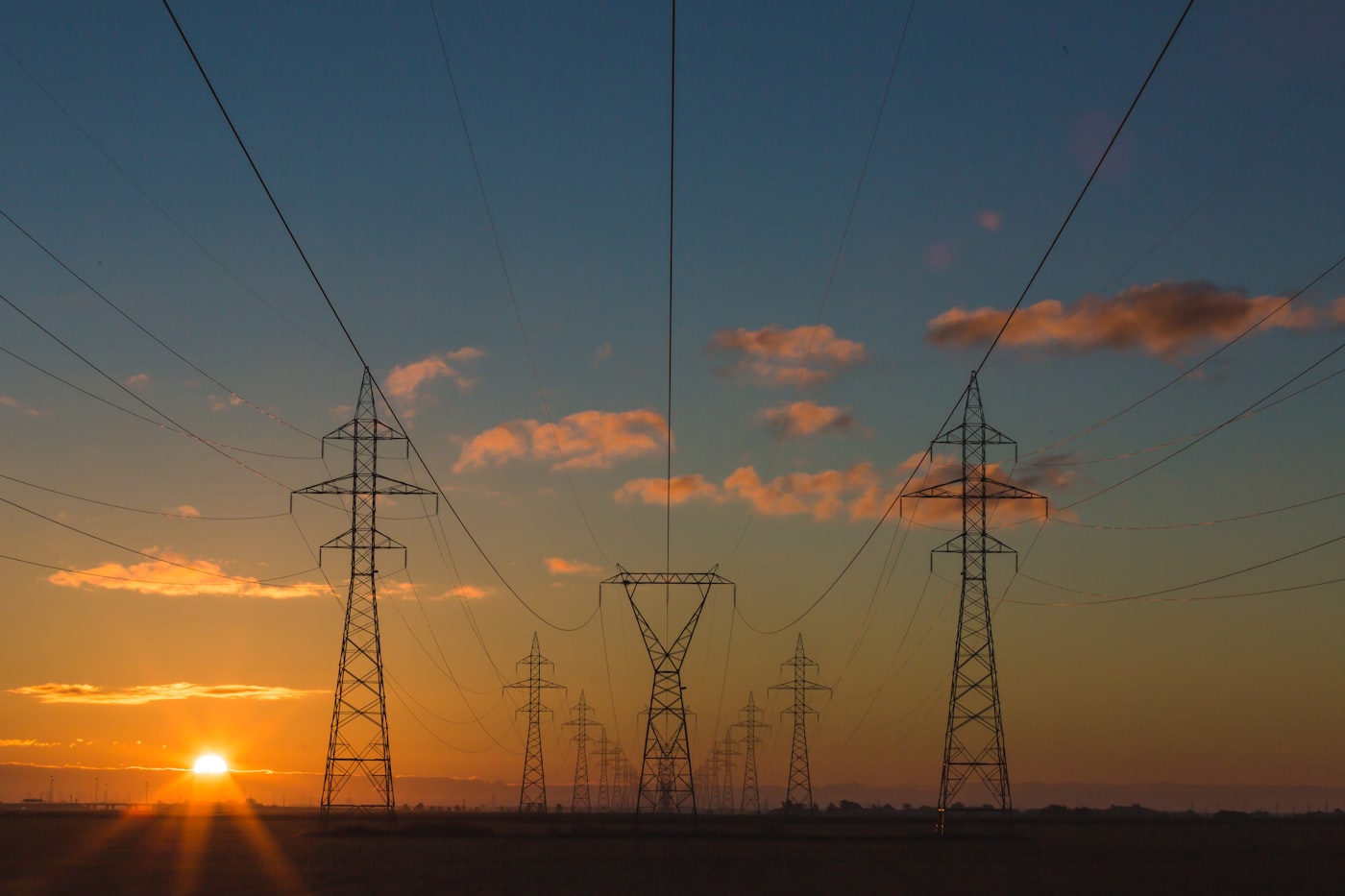
When the connection queue passed 700GW, it held more than six times Britain's peak demand. Most of it will never be built, which is precisely the problem: real projects wait behind speculative ones. Reforms have cut the retained pipeline to around 238GW, but demand connections still run five to ten years for large sites, some quoted into the 2030s.
The consequence is a quiet inversion of the market. "How much per kWh" used to be the first question in UK energy. It has been replaced by "how fast can you connect me", and for a growing class of industrial projects, the honest answer from the network is: not before your business case expires.
The fastest connection is the one you don't need. That is the entire argument for on-site generation.
Read the full note
EconomicsFebruary 2026
Gas at 7p, electricity at 25p: the spread that pays for everything.
Britain's electricity is made substantially from gas, yet a business pays roughly three times more for a unit of electricity than for a unit of gas. The difference is generation losses, network charges and levies, stacked onto every kWh the grid sells you.
Burn the same gas on your own site at 90%+ efficiency and most of that difference becomes yours. That gap, the spark spread, has persisted through twenty years of price history and every energy crisis in living memory, because the physics that creates it doesn't change with the wholesale market.
It's why on-site generation lands around 10p per kWh all-in against grid rates of 22–30p. Not a discount. Arithmetic.
Read the full note
Data centresJanuary 2026
Data centres don't have a power problem. They have a timing problem.
Britain wants 6GW of AI-capable capacity by 2030; the grid can connect about 5GW of it on current forecasts, and the big engine OEMs are sold out until 2028. Around 140 data centre projects are queuing for 50GW of connection capacity. Every month a built data hall waits for energisation is revenue lost and contracts at risk.
The operators winning right now are the ones treating power as something you build, not something you apply for: behind-the-meter generation as a bridge until the grid arrives, or as permanent primary supply with the grid as backup. And because a generating engine is also a heat source, its waste heat belongs in the cooling loop: absorption chillers turning exhaust into chilled water, lifting total efficiency towards 95%.
Megawatts in months is a manufacturing problem. We happen to run the factory.
Read the full note