Insights · From the field · June 2026
One factory. £1m a year, back on the P&L.
When the grid can't power a building, the building is not yet a business. A note on the fastest fix we know.
When the grid can't power a building, the building is not yet a business. A note on the fastest fix we know.
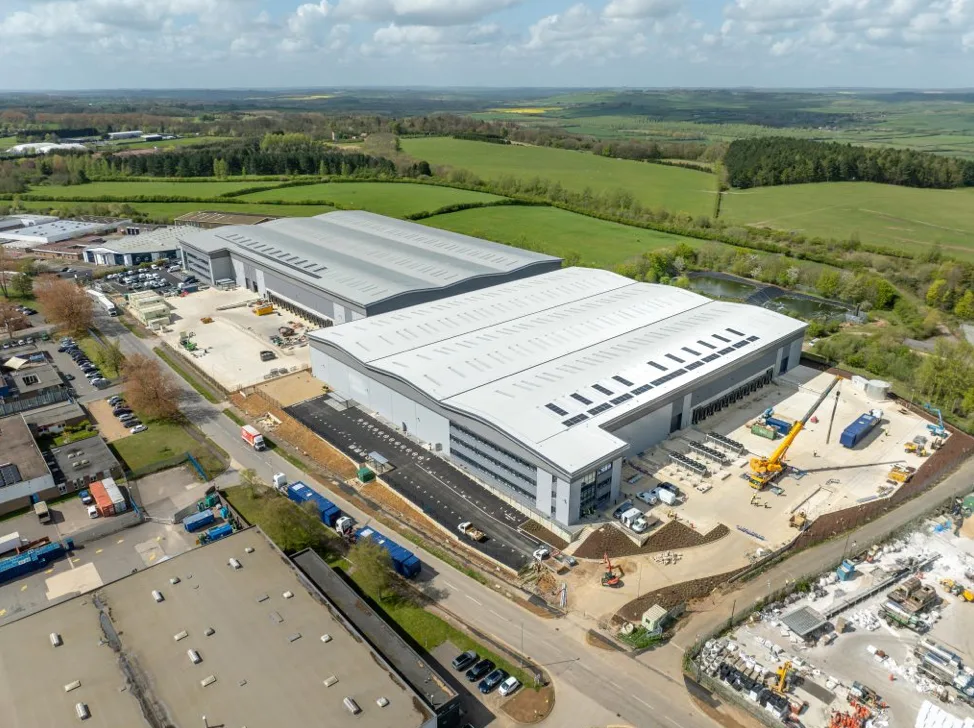
When a plastics manufacturer moved into its new factory, it discovered the hard way that a building is not a business until it has power. The local network couldn't supply the load the production lines needed, and a reinforced connection sat years away on the operator's timetable.
That waiting time is not unusual. It is the norm, and it is getting worse. The story of Britain's connection queue is a note of its own: The queue is the product.
The fix was to make the electricity on site. Four 500kW containerised units, 2MW in total, were designed, built and delivered within sixteen weeks of the order, along with a 400-metre extension of the site's gas main. The array now carries the entire manufacturing load.
Sixteen weeks is not a heroic number; it is what factory manufacturing makes normal. The units were assembled indoors, tested at full load, and arrived working. That argument is made at length in why we build power stations in a factory.
The result: over £1m a year saved against grid supply, and a factory that answers to its own switchgear. The engineering detail is in the full case study.
The full engineering story behind this note: four units, sixteen weeks, one factory.
InsightWhat 700GW of grid connection applications actually means for sites that need power now.
InsightWhy off-site assembly makes deployments faster, cheaper and easier to trust.