Insights · Grid policy · March 2026
The queue is the product.
What 700GW of grid connection applications actually means for a site that needs power now.
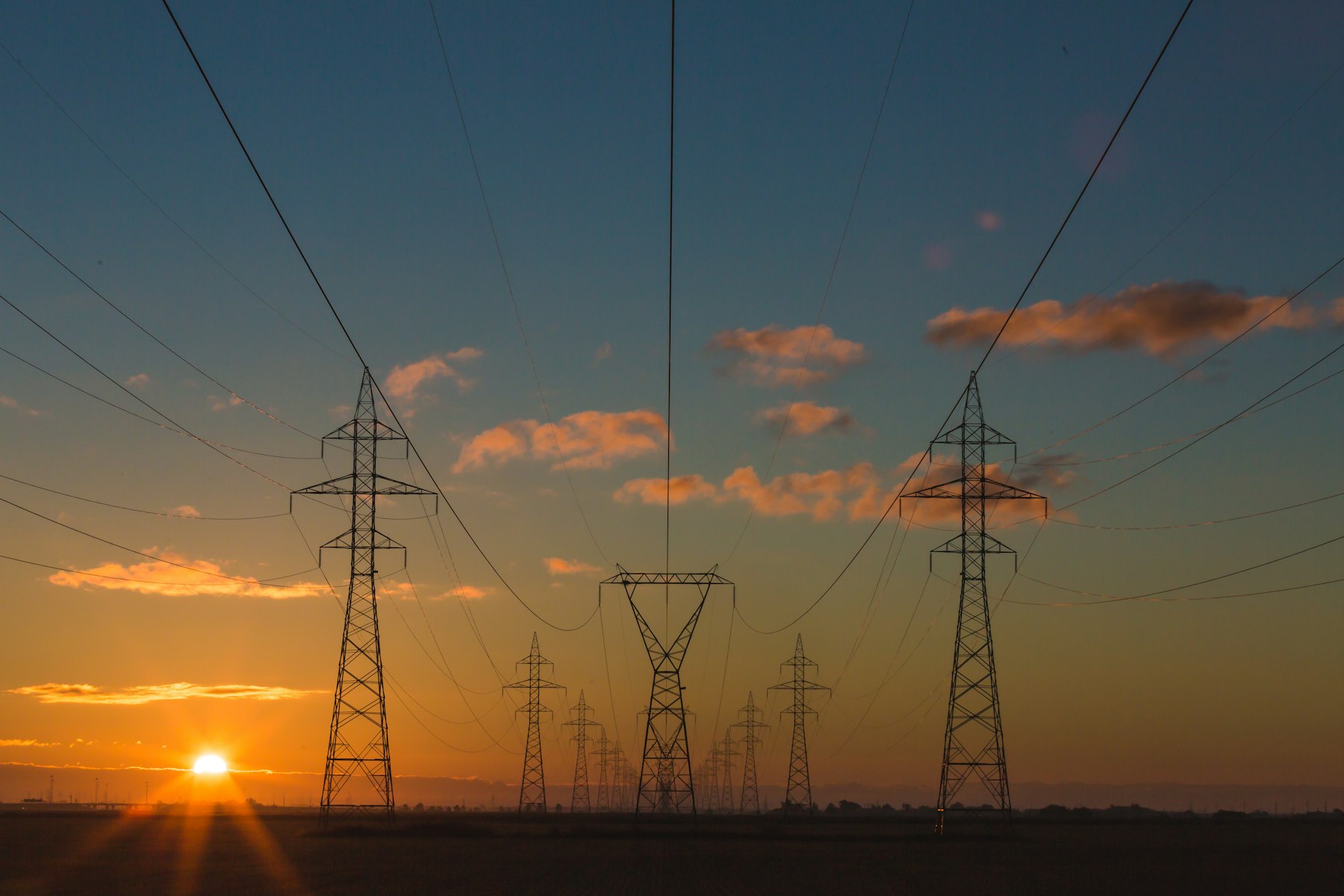
What 700GW of grid connection applications actually means for a site that needs power now.
When the connection queue passed 700GW, it held more than six times Britain's peak demand. Most of it will never be built, which is precisely the problem: real projects wait behind speculative ones. Reforms have cut the retained pipeline to around 238GW, but demand connections still run five to ten years for large sites, with some quoted into the 2030s.
The consequence is a quiet inversion of the market. "How much per kWh" used to be the first question in UK energy. It has been replaced by "how fast can you connect me", and for a growing class of industrial projects the honest answer from the network is: not before your business case expires.
We've watched this happen to real buildings. A finished factory with no power is a story we've told; a data hall waiting for energisation is another.
The way out is to stop treating power as something you apply for. Generate behind the meter, at the point of use, from a gas network with capacity to spare, and the queue becomes someone else's problem.
The fastest connection is the one you don't need. That is the entire argument for on-site generation.
Around 140 data centre projects are queuing for 50GW of connection capacity.
Case studyWhat skipping the queue looks like: generating within sixteen weeks of the order.
InsightThe other half of the argument: on-site power is also the cheaper kind.