The problem
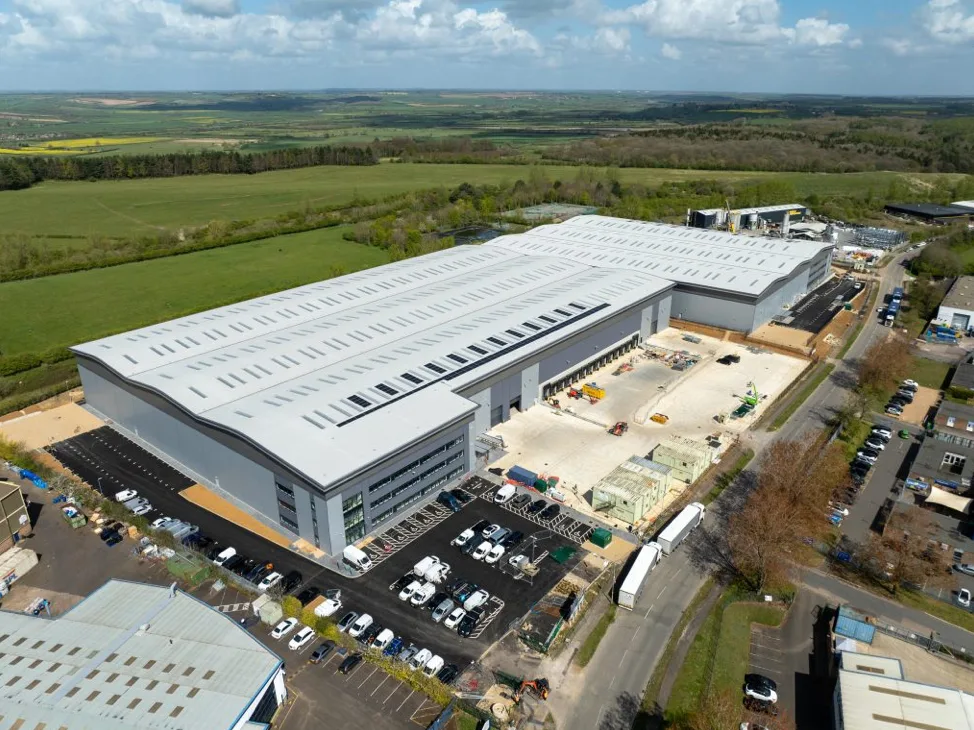
The company had expanded into a new factory and discovered that the building could not do the one thing it was bought for: run the production lines. The local network couldn't supply the load, and a reinforced grid connection sat years away on the operator's timetable. Every month without power was a month of standstill on a fully fitted factory floor.
The situation is increasingly common across UK industry. We wrote about why in our note on the connection queue.
The fix
We were brought in at short notice to make the electricity on site. The design called for a 2MW containerised CHP array: four 500kW units working in parallel, plus a 400-metre extension of the existing gas main to feed them.
Because every unit is assembled and run at full load in our factory before dispatch, the on-site work was measured in days, not months: concrete pads, gas and electrical connections, commissioning. The units were delivered within sixteen weeks of the order. The full sequence from survey to switch-on is on how it works.
The result
The array now carries the site's entire manufacturing load, generating low-cost, low-CO₂ electricity behind the meter. Against grid supply, the business will save over £1m a year, and the recovered heat is available to the building. The carbon side of that equation is covered on sustainability.
A factory that answers to its own switchgear. We also wrote this story up as a note: One factory. £1m a year, back on the P&L.