The problem
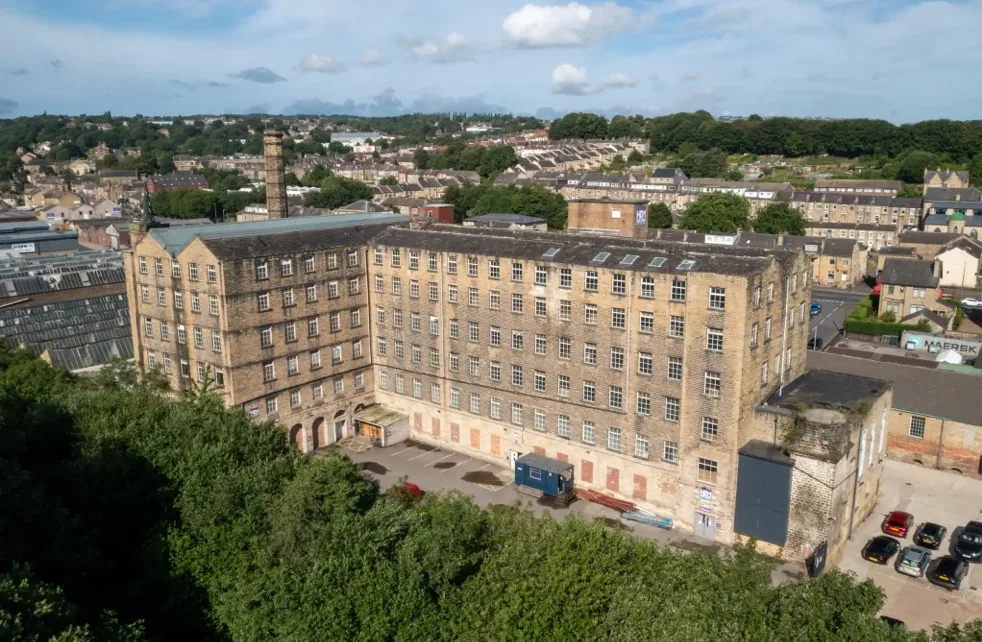
A fifty-year-old knitwear maker runs nearly thirty processes under the roof of an extensive Victorian mill: knitting, finishing, pressing and everything between. The building is beautiful and brutal in equal measure, expensive to heat and hungry for power. The owners feared the cost of energy was becoming a threat to the company's viability.
The fix
It started with a survey, which costs nothing and commits the client to nothing; that process is described on how it works. The answer was a V12-engined CHP system that generates all the electricity the company uses, with the 'waste' heat piped into the mill's heating and hot water.
The engine runs on natural gas or biogas, so the mill can decarbonise its fuel later without touching the hardware. The fuel path is on sustainability.
The result
The investment was paid back within a single year, the fastest on this page, and the mill now heats itself with energy it was already paying for.
A Victorian building, powered like it was built this decade. A similar story from up the road is in the weaving mill case.